The Workshops
Ívont
The house makes nothing alone. Every object begins in a workshop older than the house, in hands that have kept a single craft for generations.
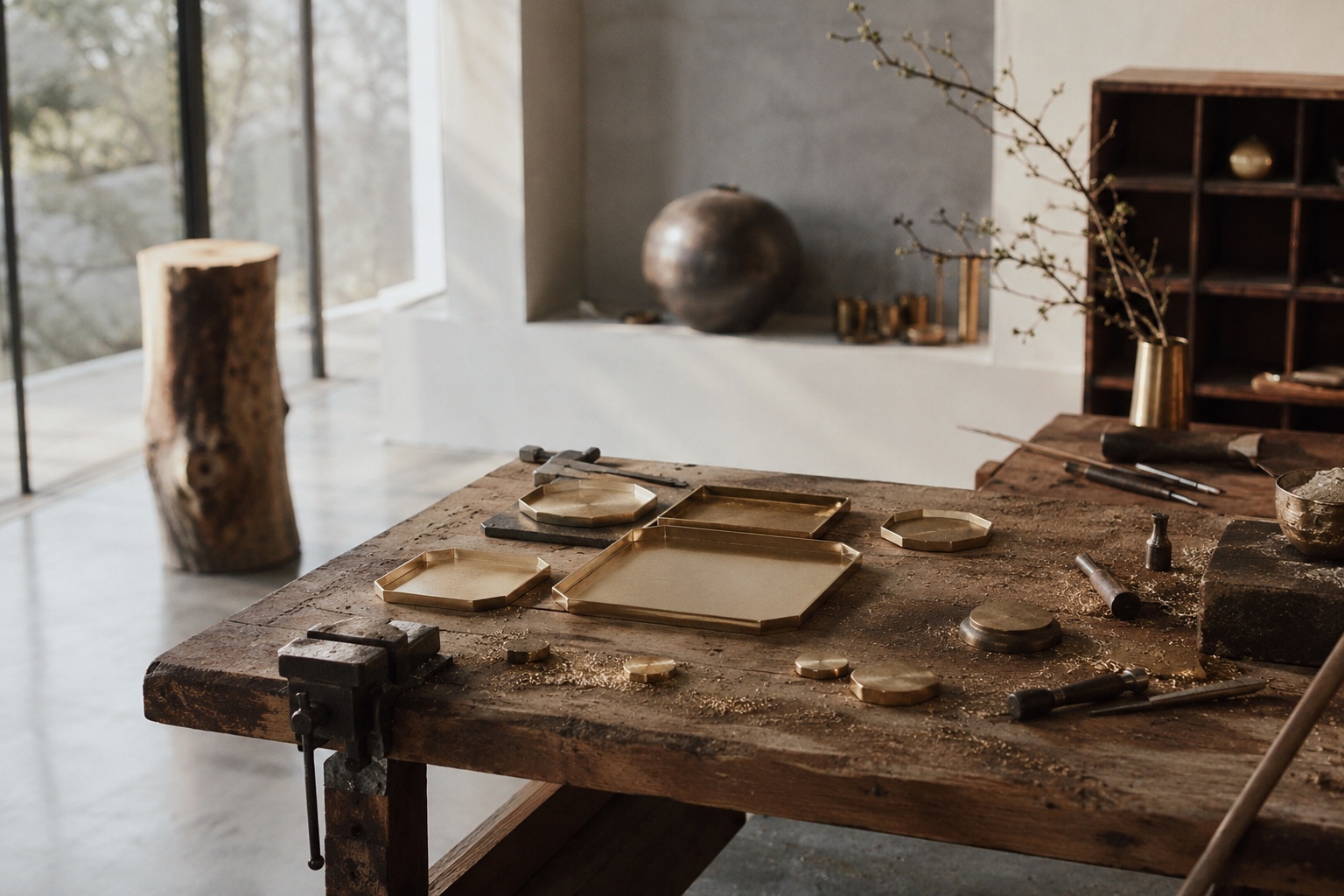 Futagami
Toyama, Japan · Est. 1897
Futagami
In Takaoka, the Futagami foundry has cast brass since 1897, in a city already three centuries into its life as Japan's home of metal. Their sand-cast brass is left to find its own patina, darkening under the hand rather than fighting it. The Entry tray begins here.
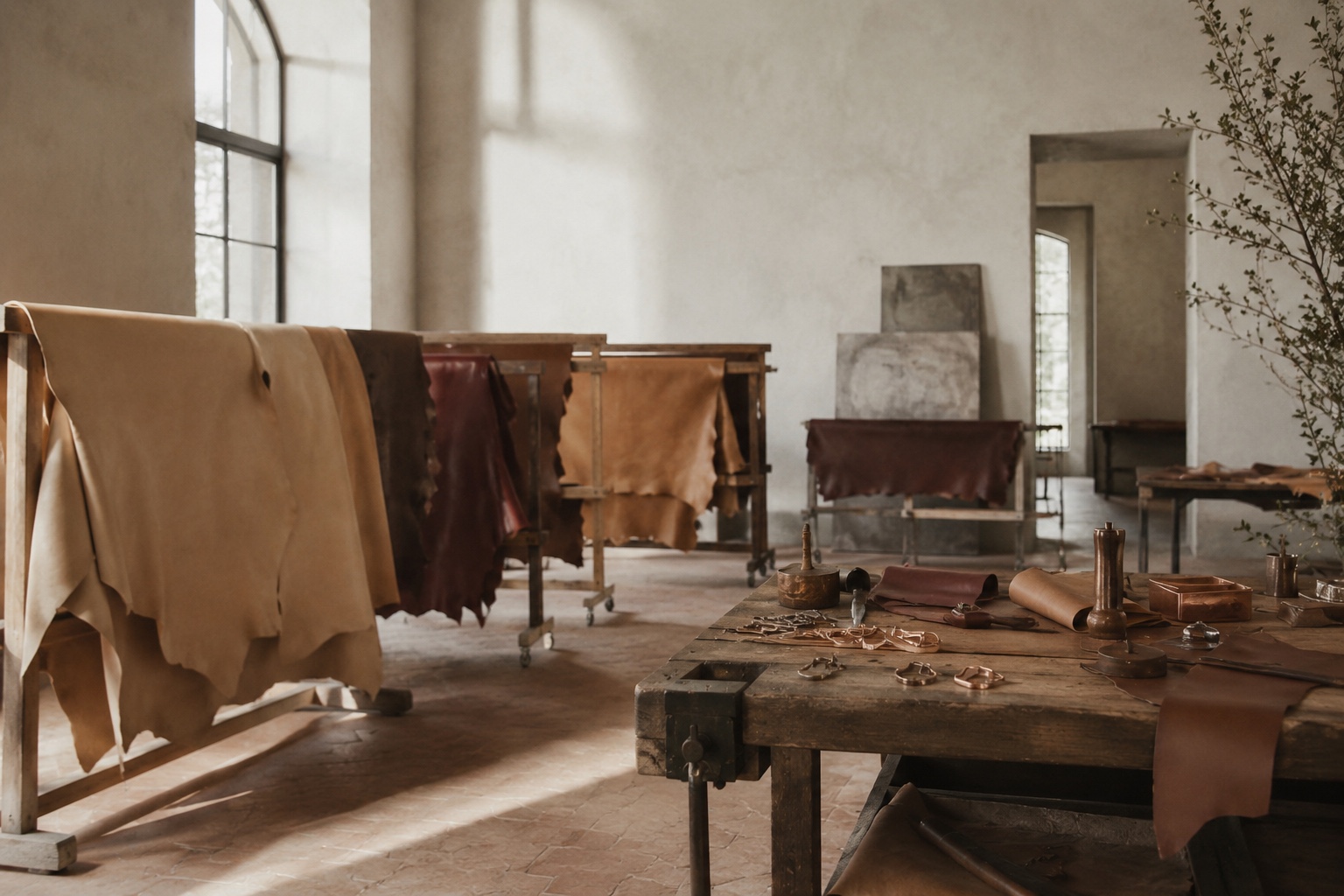 Conceria Walpier
Tuscany, Italy · Est. 1969
Conceria Walpier
Conceria Walpier has tanned leather in Tuscany since 1969, using the slow vegetable method the region has refined over centuries. No chrome, no shortcuts: bark, water, and time. Their hides age into something better than they began. The Desk journal is bound in one.
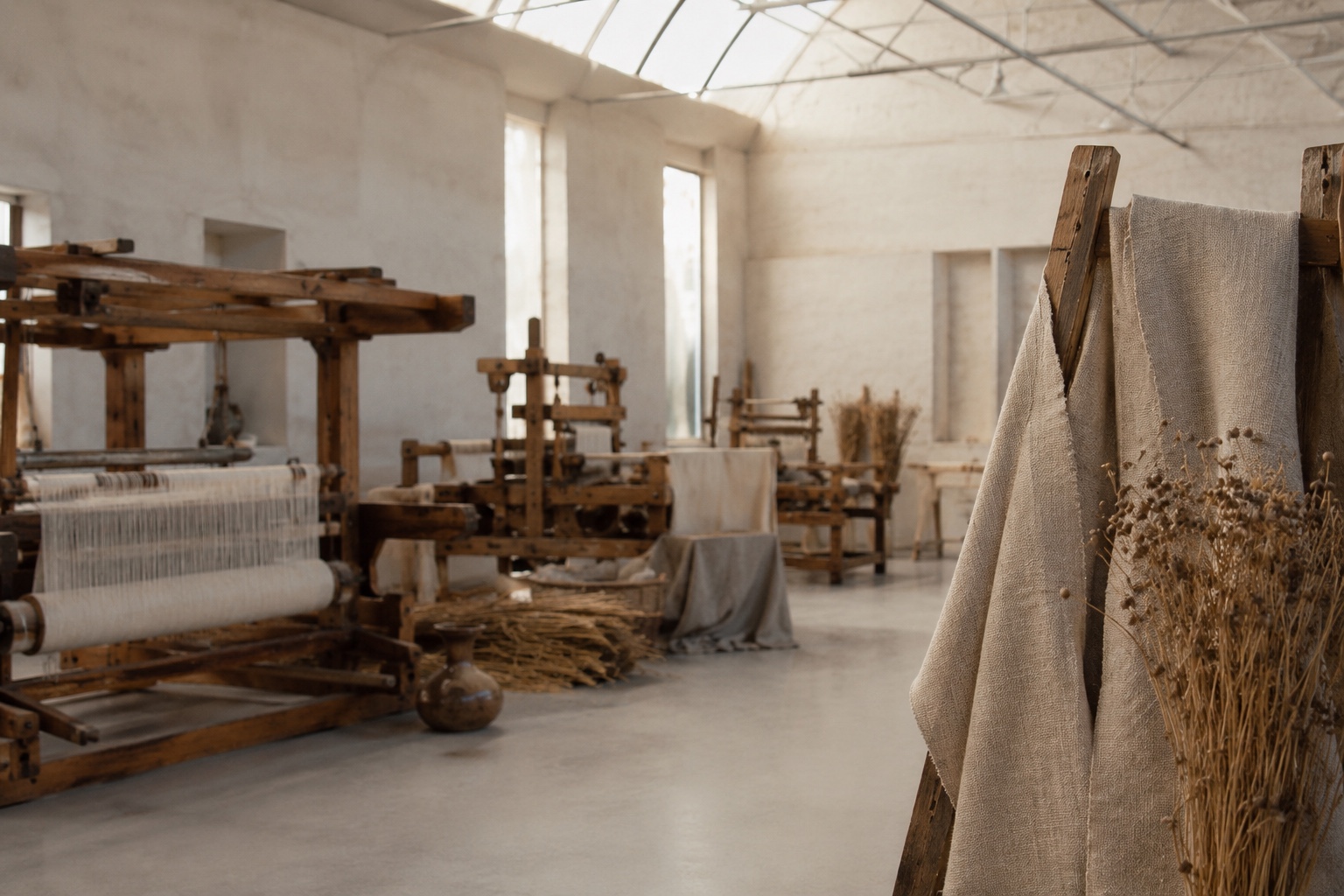 Libeco
West Flanders, Belgium · Est. 1858
Libeco
Libeco has woven linen in West Flanders since 1858, from flax grown in the cool, damp fields that make Belgian linen the standard the rest of the world measures against. Six generations have kept the looms running. We are still deciding what the house will make of it.
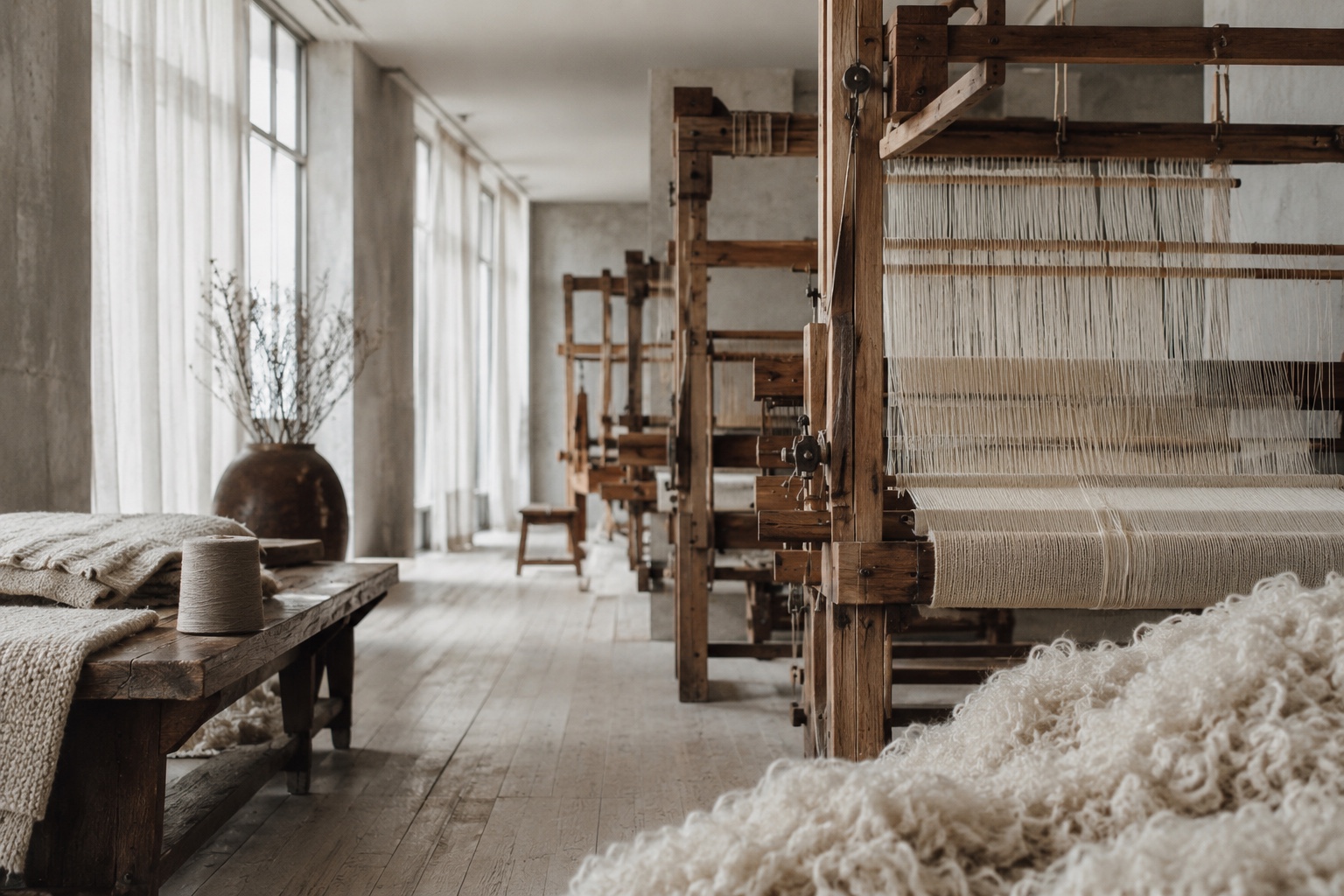 Cariaggi
Biella, Italy · Est. 1958
Cariaggi
Cariaggi has spun cashmere in Biella since 1958, sourcing the longest, finest Mongolian fibre and turning it into yarn prized by houses that never say its name aloud. The Bedside throw is woven from it. It is the warmth you reach for first in the morning.
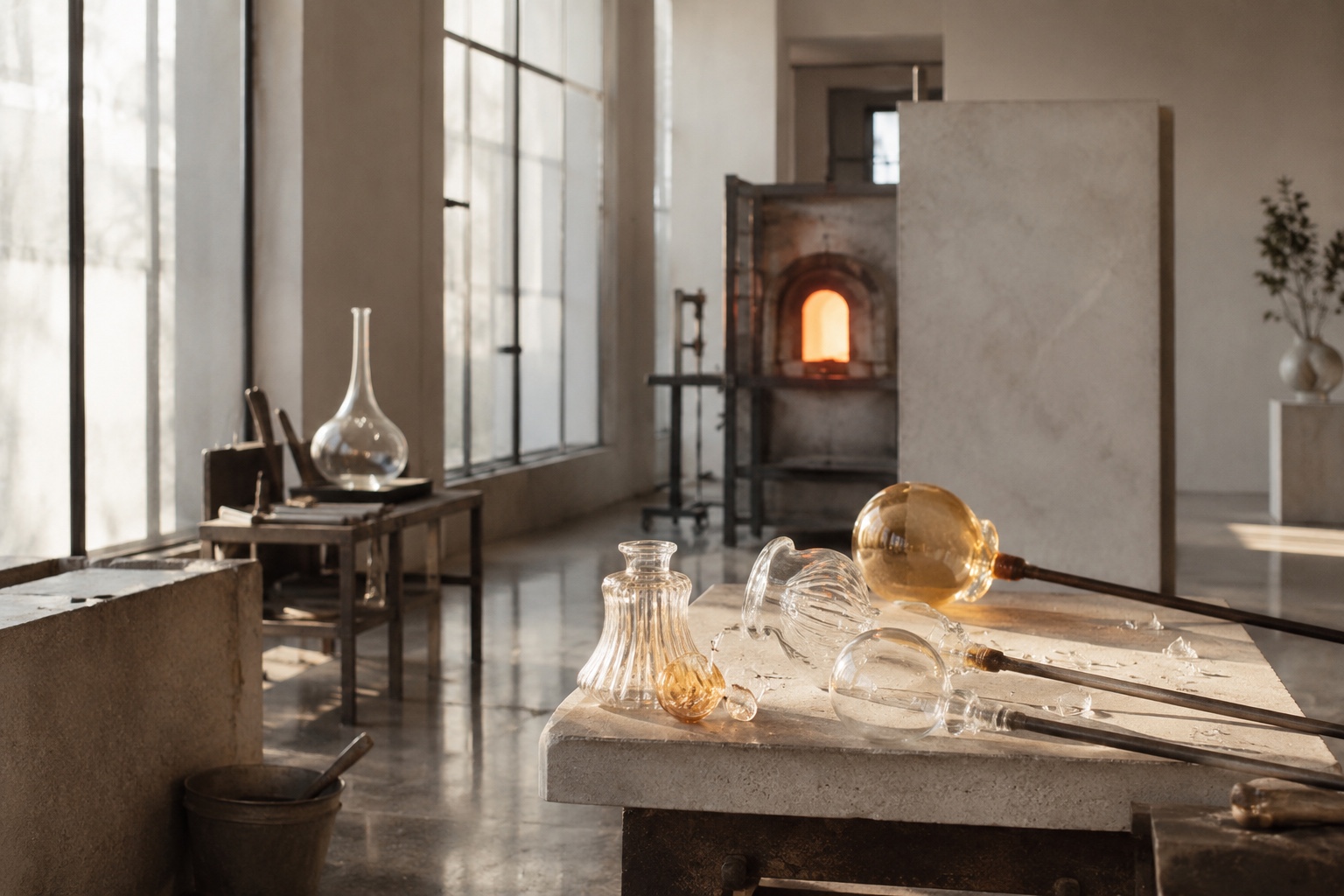 Murano
Venice, Italy · By decree, 1291
Murano
Glassmaking was confined to the island of Murano by Venetian decree in 1291, to keep its fires from the city and its secrets close. The techniques have been handed down by hand ever since. The Shelf weight is blown there. The method, as we say, is older than the country.